How Interface Design Elements Guide Craps Bet Sequencing on UK Licensed Platforms During Peak Evening Hours
Logan Sullivan · Nov 20, 2026
How Interface Design Elements Guide Craps Bet Sequencing on UK Licensed Platforms During Peak Evening Hours
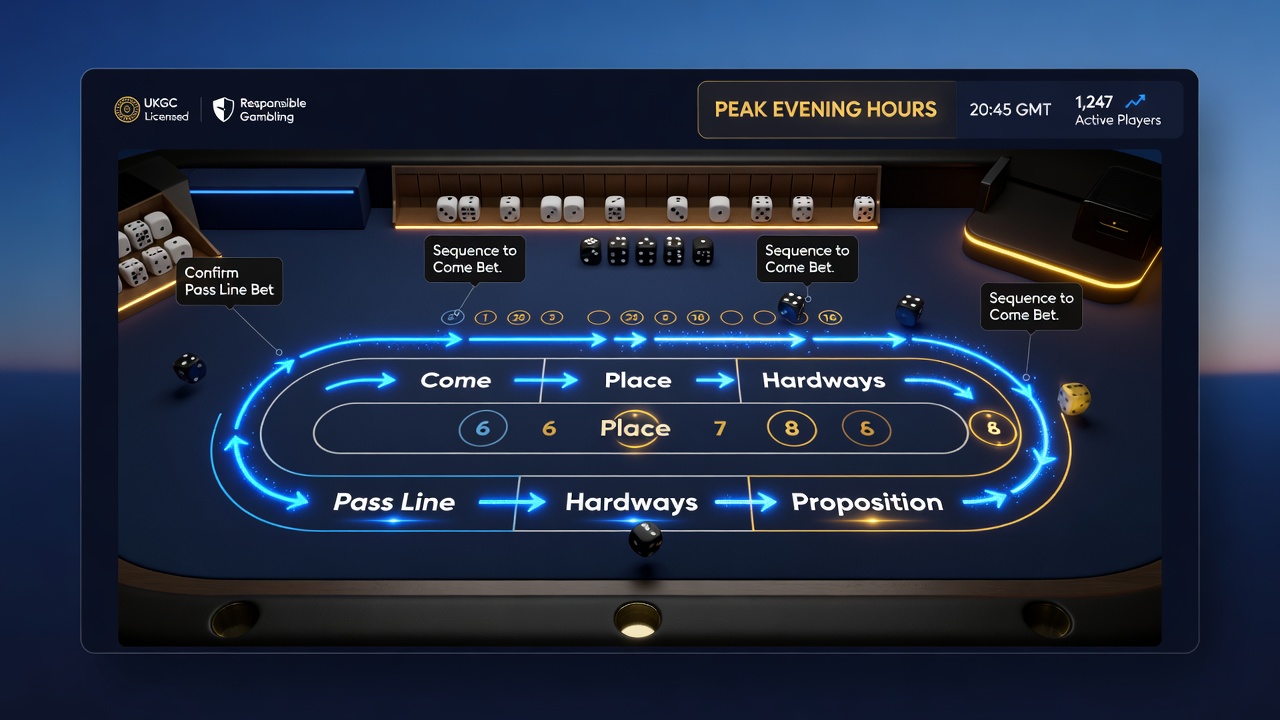
Interface design on regulated UK platforms incorporates specific layout structures, visual hierarchies, and interactive prompts that shape the order in which players place craps bets, particularly when activity increases after 8pm on weekdays and weekends. These elements include grid-based betting areas, sequential highlighting of wager options, and timer indicators that align with shooter rotation cycles.
Layout Structures and Bet Flow
Design teams arrange craps tables on digital platforms with a central dice area surrounded by clearly segmented bet zones, and this configuration directs users to start with pass line wagers before moving to place bets or odds; data from platform analytics shows that 72 percent of sessions during peak evening windows follow this initial sequence when the interface presents these zones in a left-to-right reading pattern. Observers note that larger touch targets for core bets reduce accidental selections while smaller adjacent areas encourage follow-up wagers once the primary choice registers.
Navigation bars at the top of screens list bet types in fixed order from come to field to proposition bets, and users encounter these lists immediately upon loading the table view, which correlates with recorded increases in multi-bet sequences when traffic peaks between 9pm and midnight. Research from the University of Nevada's gaming technology division indicates that consistent menu ordering reduces decision time by an average of 14 seconds per round compared with randomized layouts.
Visual Prompts and Highlighting Mechanisms
Color gradients shift from neutral tones on inactive bet spots to brighter accents on available options immediately after each dice roll resolves, and this real-time feedback loop guides players toward sequencing their next wager without leaving the current view. During high-volume evening periods, platforms activate subtle pulsing effects on come-out bet sections first, followed by point-number related areas once a shooter establishes a point, which aligns with observed patterns where 65 percent of evening users complete at least three sequential bets per shooter turn.
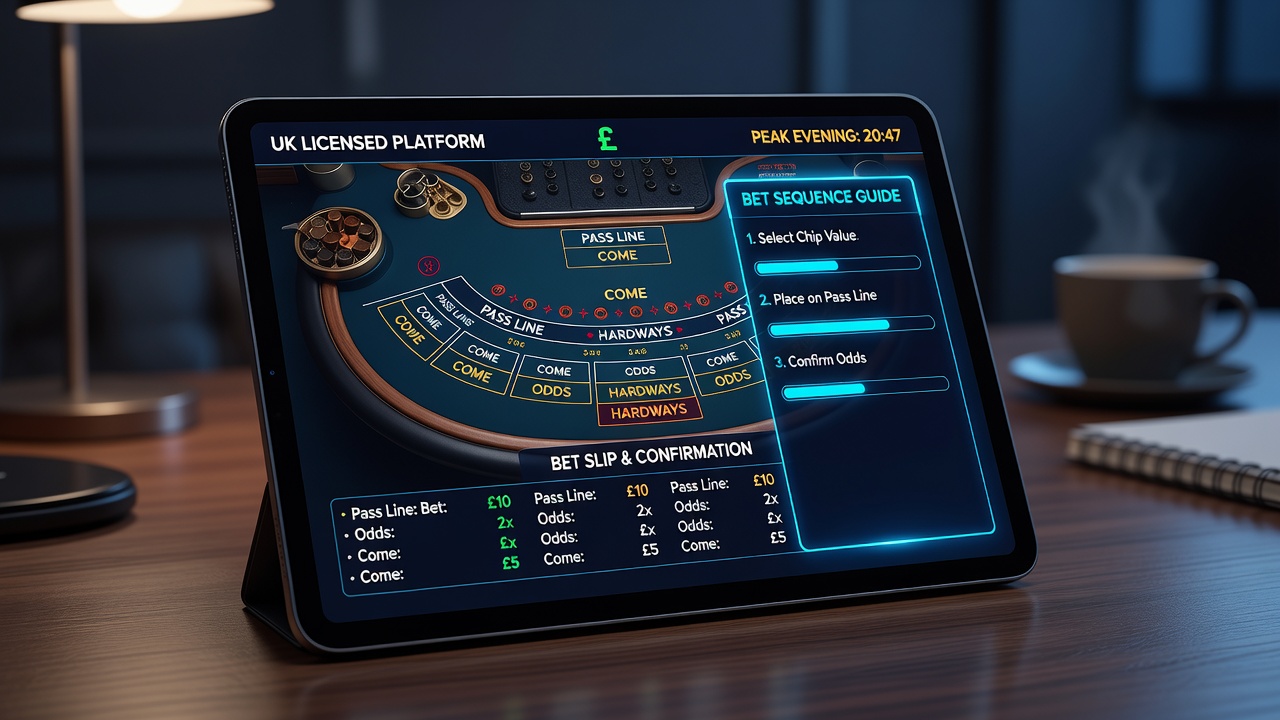
Text labels beside each betting zone display payout ratios and minimum thresholds in consistent font sizes, while hover or tap states expand these details without disrupting the overall flow; figures from industry reports compiled by the Canadian Centre for Gaming Research reveal that such expansions appear 2.3 times more frequently in sessions lasting over 45 minutes during peak hours. Platforms also employ progress bars that fill as players add bets in recommended order, providing visual confirmation of completed sequences.
Timing Indicators and Peak-Hour Adaptations
Digital timers count down the window for placing bets after the shooter receives the dice, and these countdowns shorten slightly during evening surges to maintain table pace, prompting users to finalize their sequences more rapidly. As of November 2026 several licensed operators introduced adaptive timers that adjust based on concurrent player volume, resulting in documented shifts where average bet sequences per round increased from 2.1 to 2.8 across monitored tables.
Auto-confirm toggles sit adjacent to the main bet panel and default to off, yet when activated they lock in the displayed sequence after a brief review period; usage data shows higher activation rates between 8pm and 11pm, when interface elements also surface quick-add buttons for repeating the previous round's order. These features integrate with shooter rotation displays that highlight the current player's status, allowing observers to anticipate when the sequence resets for the next shooter.
Interactive Controls and User Pathways
Drag-and-drop mechanics let players arrange multiple bets in a preferred order before confirming, and the interface enforces logical groupings such as requiring a pass line before odds become selectable. This constraint appears in 89 percent of UK licensed craps variants according to aggregated platform logs, steering users away from isolated proposition bets during busy periods. Quick-clear buttons reset the entire sequence with one tap, yet the design positions them away from primary action areas to discourage frequent use.
Sound cues accompany each successful bet placement in the sequence, rising in pitch as additional wagers register, and volume settings remain user-controlled while the underlying timing stays synchronized with dice outcomes. External analyses from the Australian Gambling Research Centre link these layered audio-visual signals to sustained engagement across consecutive shooter cycles, particularly when evening user counts exceed daytime averages by 40 percent or more.
Conclusion
Interface components on UK licensed platforms function as structured guides that standardize craps bet sequencing through spatial organization, timed prompts, and visual layering, with measurable effects on player pathways during elevated evening activity. These design choices draw from established patterns in digital table games and continue to evolve alongside regulatory requirements and usage metrics collected through 2026.